
shell
ผู้เยี่ยมชม
benducket3211@gmail.com
Could a Patient Lift Transfer Chair Make Assisted Transfers More Comfortable and Convenient? (90 อ่าน)
21 ส.ค. 2569 00:58
A patient lift transfer chair is a specialized mobility and transfer aid designed to support people who need assistance moving between suitable seating and other positions. These chairs can be useful in homes, care facilities, rehabilitation environments, and other appropriate settings where safe and controlled transfers are important. By combining supportive seating with transfer-oriented functionality, a patient lift transfer chair can help make daily mobility routines more organized and convenient for caregivers and users.
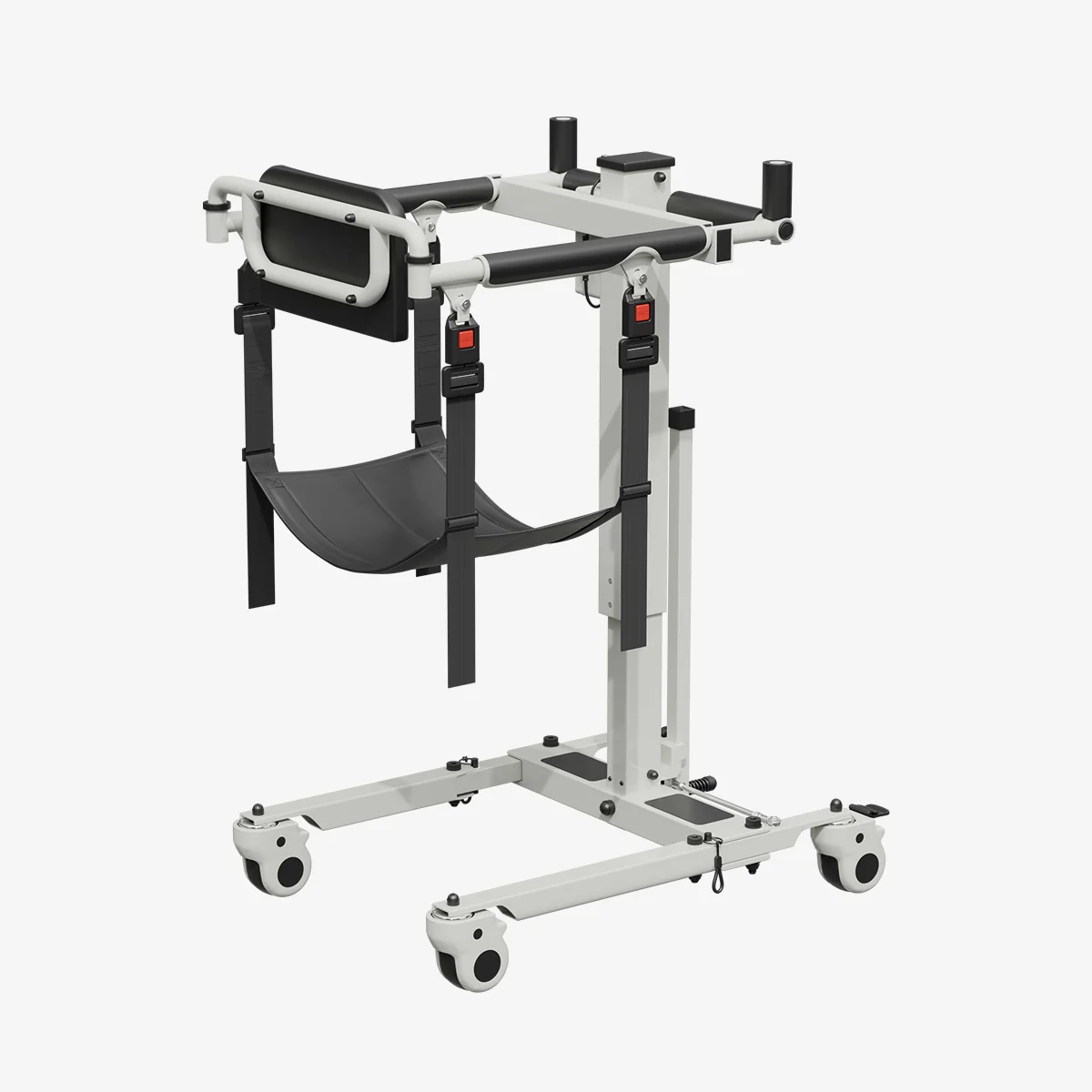
People searching for a patient lift transfer chair may also encounter related terms such as patient transfer chair, lift transfer chair, transfer wheelchair, patient mobility chair, assisted transfer chair, and medical transfer chair. Although these products can have similar purposes, their designs and capabilities may differ considerably. Understanding the basic features and intended applications can help families, caregivers, and facilities select an appropriate solution.
Modern transfer chairs can focus on features such as supportive seating, maneuverability, adjustable components, locking wheels, transfer assistance, and user comfort. However, the exact functions depend on the specific product. Users should always follow manufacturer instructions and seek guidance from an appropriately trained healthcare or mobility professional when a transfer involves significant physical assistance.
Can a Patient Lift Transfer Chair Support Easier Assisted Transfers?
A patient lift transfer chair is designed around the practical challenge of moving a person who may have difficulty standing, walking, or changing positions independently. Traditional transfers can require considerable coordination between the user and caregiver, while a specialized transfer chair can provide a structured seating and movement solution.
The design of a patient transfer chair can vary significantly. Some models are intended primarily for short assisted transfers, while others may combine seating, positioning, and mobility functions. A chair with appropriate support can help create a more organized transfer process when used correctly and according to its intended purpose.
Comfort is another important consideration. A supportive seat, suitable backrest, arm support, and appropriate positioning can make the experience more comfortable for the person being transferred. The chair's dimensions should be suitable for the intended user, and the manufacturer's weight capacity should always be respected.
Maneuverability can also matter in homes and care environments. A patient lift transfer chair with suitable wheels can allow caregivers to position the chair in appropriate locations. Locking mechanisms and other safety-oriented components may help keep the chair stable during certain stages of use, depending on the specific design.
The surrounding environment should also be considered. Doorways, flooring, room dimensions, furniture placement, and available maneuvering space can affect whether a transfer chair is practical. A compact design may be more convenient in smaller rooms, while larger models may provide additional seating space or features.
Can a Patient Lift Transfer Chair Improve Caregiving Convenience?
A patient lift transfer chair can be useful in caregiving situations because it is designed around assisted mobility rather than ordinary seating alone. Caregivers may use appropriate transfer equipment to help organize movement between suitable locations while reducing unnecessary physical strain associated with unsupported transfers.
A medical transfer chair may be used in healthcare-related environments, rehabilitation spaces, residential care settings, or private homes, depending on the model. The specific application should always match the manufacturer's instructions and the user's mobility requirements.
Positioning is an important part of assisted transfers. The chair should be placed correctly, and any brakes, locking mechanisms, supports, or other components should be used according to the manufacturer's instructions. Caregivers should receive appropriate training when operating specialized transfer equipment.
A patient transfer wheelchair can provide another type of mobility support, but it should not automatically be considered interchangeable with every patient lift transfer chair. Some products are designed mainly for transportation, while others are specifically engineered to assist with transfers. Understanding the distinction can help buyers choose the correct equipment.
User comfort should remain a priority throughout the process. A suitable chair should provide appropriate support without creating unnecessary pressure or awkward positioning. Adjustable features can be useful when available, but they should only be changed according to the product's instructions.
Storage and cleaning are also practical considerations. Healthcare and home-care equipment may require frequent cleaning, so buyers should check the materials and manufacturer's cleaning recommendations. The chair should also be stored appropriately when not in use to help preserve its condition.
Can the Right Patient Lift Transfer Chair Provide Long-Term Value?
Choosing a patient lift transfer chair involves considering more than the initial purchase price. Durability, construction quality, comfort, weight capacity, maneuverability, maintenance requirements, and intended use can all influence long-term value.
The chair should be selected according to the user's individual mobility requirements and the environment where it will be used. A model intended for home use may have different dimensions from equipment designed for professional care settings. Buyers should carefully review product specifications before making a purchase.
Regular inspection can help identify potential problems with wheels, brakes, supports, frames, seating surfaces, and other components. Any damaged or malfunctioning part should be addressed according to the manufacturer's recommendations rather than continuing to use equipment that may not be functioning correctly.
Weight capacity is particularly important. A patient lift transfer chair should never be used beyond the manufacturer's stated capacity. Buyers should also consider the chair's dimensions and whether the user can be positioned comfortably and securely within the intended seating area.
Caregiver training can add significant value to specialized transfer equipment. A chair may have useful features, but those features are only effective when the equipment is used correctly. For individuals with complex mobility needs, consultation with a qualified healthcare professional, occupational therapist, physical therapist, or trained mobility specialist can help determine whether a particular transfer solution is appropriate.
The product's maintenance requirements should also be considered. Easy-to-clean materials, accessible components, durable wheels, and reliable locking systems can contribute to practical long-term use. However, maintenance procedures vary between manufacturers and models, so the supplied instructions should always be followed.
Conclusion
A patient lift transfer chair can be a useful assisted mobility solution for appropriate users who require support during transfers. By combining supportive seating with transfer-focused functionality, these chairs can help organize mobility routines in suitable home-care, rehabilitation, and professional care environments.
Choosing the right model requires careful attention to comfort, weight capacity, dimensions, maneuverability, transfer functionality, safety features, maintenance, and intended environment. A product designed primarily for transportation may not provide the same functionality as a dedicated transfer chair, making it important to understand the specific purpose of each model.
43.242.176.24
shell
ผู้เยี่ยมชม
benducket3211@gmail.com