
shell
ผู้เยี่ยมชม
benducket3211@gmail.com
How Can IQBoard Classroom AV Equipment Improve Teaching and Create More Interactive Learning Environments? (19 อ่าน)
29 ต.ค. 2569 13:48
Modern education increasingly relies on digital technology to make lessons more engaging, improve communication, and support different learning styles. IQBoard classroom AV equipment offers educational institutions opportunities to combine interactive teaching tools with traditional classroom methods. By using interactive displays, digital whiteboards, projectors, and compatible audio-visual technology, teachers can create learning environments that encourage participation and make educational content easier to understand.
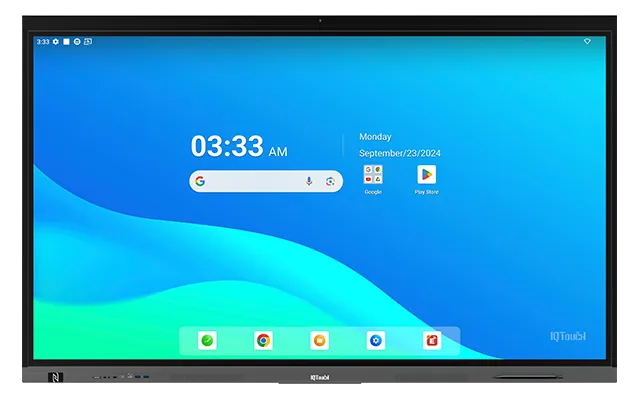
Classroom audio-visual equipment has become an important part of schools, colleges, universities, and training centers. Teachers can use digital presentations, educational videos, diagrams, and interactive activities to explain difficult concepts more effectively. Instead of depending entirely on textbooks and handwritten notes, educators can introduce multimedia resources that help students visualize information and participate in classroom discussions.
IQBoard is associated with interactive whiteboard technology designed to support digital teaching and presentations. Depending on the model and classroom setup, IQBoard equipment can work with computers, projectors, interactive displays, and educational software. These technologies allow teachers to present information, annotate digital content, and involve students in interactive learning activities.
Investing in suitable IQBoard classroom AV equipment can help educational institutions modernize their teaching facilities and improve the use of digital learning resources. However, the best results depend on selecting compatible devices, understanding classroom requirements, and providing teachers with the training needed to use the technology confidently.
Essential Features of IQBoard Classroom AV Equipment
IQBoard classroom AV equipment can support different teaching activities through interactive presentation tools and compatible audio-visual devices. The exact features depend on the specific product model, so schools should review the manufacturer's specifications before making purchasing decisions.
Interactive whiteboards are an important component of many digital classroom setups. They allow teachers to display information from a connected computer and interact with digital content through supported touch or pen-based functions. Instructors can write notes, highlight important details, draw diagrams, and explain concepts directly on the board. This creates a more flexible alternative to relying exclusively on traditional chalkboards or whiteboards.
Interactive teaching technology is particularly useful for subjects that require visual demonstrations. Mathematics teachers can explain equations step by step, science instructors can display diagrams of biological processes, and geography teachers can present maps and visual learning materials. Students can also participate in activities when the classroom system supports interactive input.
Projection technology can further improve the classroom experience. In setups that use a compatible projector, teachers can display presentations, videos, documents, and educational applications on a large surface. A suitable projector should provide enough brightness and resolution for the classroom environment. Room lighting, screen size, viewing distance, and equipment compatibility all influence the quality of the displayed content.
Some educational AV setups also combine interactive whiteboards with classroom speakers and microphones. These components help teachers communicate clearly and distribute audio throughout the room. Speakers can improve the listening experience when showing educational videos, while microphones can support presentations in larger teaching spaces. Schools should assess their room size and acoustic conditions before selecting audio equipment.
Software compatibility is another important consideration. Interactive classroom systems may support annotation tools, presentation software, educational applications, and digital teaching resources. Teachers can use these tools to prepare lessons, highlight information, and save instructional materials when the software provides those capabilities. Schools should verify operating system requirements, licensing terms, and compatibility with existing computers before installing or purchasing additional software.
Connectivity also affects the usefulness of IQBoard classroom AV equipment. Depending on the model, a classroom setup may require USB connections, video cables, computer interfaces, or other supported connections. Schools should confirm that their computers and display equipment are compatible with the intended interactive whiteboard system. Proper configuration can help reduce technical problems during lessons and make everyday operation easier.
Benefits of IQBoard Technology for Teachers and Students
One of the main advantages of IQBoard classroom AV equipment is its potential to make lessons more interactive. Teachers can combine written explanations with diagrams, digital presentations, images, and educational videos. Presenting information through different formats can help students follow complex topics and maintain interest throughout a lesson.
Interactive teaching can also encourage greater student participation. Instead of simply watching a presentation, students may be able to solve problems on the board, complete digital exercises, and contribute to classroom activities. These opportunities can help teachers identify misunderstandings and provide additional explanations when necessary.
Another benefit is the flexibility of digital teaching materials. Teachers can prepare presentations before class and reuse or update them for future lessons. When supported by the software, annotations and classroom notes can be saved for later reference. This can reduce repetitive preparation work and help educators organize learning resources more efficiently.
IQBoard technology can also support collaborative learning. Students can work together on diagrams, problem-solving exercises, and classroom presentations. Group activities give learners opportunities to share ideas, explain their reasoning, and develop communication skills. When interactive boards are integrated with other classroom technology, teachers can create lessons that combine individual work with group participation.
Visual learning is particularly valuable for subjects that involve processes, structures, or spatial relationships. For example, a biology teacher can display the parts of a cell, while a mathematics instructor can demonstrate geometric shapes and equations. The ability to annotate and highlight information directly on the screen can make explanations easier to follow.
Classroom AV technology may also support accessibility when compatible features and additional assistive tools are available. Larger displays can make information easier to see, while appropriate audio equipment can improve listening conditions. Teachers can combine visual explanations with spoken instruction to provide different ways of accessing educational content. Schools should evaluate accessibility requirements carefully when choosing equipment.
Another important advantage is the opportunity to develop digital learning skills. Students who participate in technology-supported lessons gain experience with interactive educational resources and digital presentations. These skills can support their future studies and help them become more comfortable using technology in academic and professional environments.
However, interactive classroom equipment is most effective when it supports clear educational objectives. Technology alone does not guarantee better learning outcomes. Teachers should select suitable activities, explain concepts clearly, and ensure that digital tools contribute meaningfully to the lesson rather than distracting students.
Selecting and Maintaining IQBoard Classroom AV Equipment
Choosing the right IQBoard classroom AV equipment requires careful evaluation of classroom needs, existing infrastructure, and available budgets. Schools should begin by identifying the number of classrooms requiring interactive technology, the subjects being taught, and the types of activities teachers plan to deliver.
The specific IQBoard model is an important consideration. Different products may have different interactive functions, screen requirements, software features, and connection methods. Educational institutions should verify the exact model specifications, supported operating systems, included accessories, warranty coverage, and availability of technical support before purchasing equipment.
Classroom size and installation conditions should also influence the decision. An interactive board used with a projector requires suitable positioning, an appropriate projection surface, and enough space for students to view the content comfortably. Lighting conditions should be assessed to prevent displayed material from becoming difficult to read. In larger classrooms, additional speakers or other AV components may be necessary.
Budget planning should include installation, compatible computers, projector equipment where required, software, cables, staff training, and future maintenance. Schools should compare the total cost of ownership instead of focusing only on the initial purchase price. Reliable equipment with accessible support and suitable warranties can offer better long-term value.
Professional installation may be beneficial when the classroom requires wall mounting, projector alignment, cable management, or integration with existing sound systems. Correct installation helps the equipment operate reliably and reduces the risk of avoidable technical problems. Teachers should also receive practical training covering basic operation, digital annotation, connection procedures, and common troubleshooting steps.
Regular maintenance is essential for preserving performance. Staff should inspect cables and connections, clean equipment according to manufacturer instructions, check the interactive functions, and install necessary software updates. If a projector is part of the setup, its filters, ventilation, and other maintenance requirements should be handled according to the manufacturer's guidance.
Compatibility should be reviewed before upgrading computers or operating systems. Older interactive whiteboards may require specific drivers or software versions, and unsupported updates can affect functionality. Schools should consult official product documentation and technical support before making significant changes to their classroom systems.
Educational institutions should also consider cybersecurity and responsible technology use. Connected computers and classroom software should receive appropriate updates, and access to sensitive educational information should be controlled. When lessons are recorded or student information is shared through digital platforms, schools should follow their privacy policies and applicable regulations.
With appropriate planning, training, and maintenance, IQBoard classroom AV equipment can remain a useful part of an institution's digital teaching infrastructure. A well-supported system enables teachers to focus on lesson delivery while giving students more opportunities to engage with educational content.
Conclusion
IQBoard classroom AV equipment can help schools, colleges, and training centers create more interactive and technology-supported learning environments. Interactive whiteboards, compatible projectors, educational software, and classroom audio systems provide teachers with additional ways to present information, demonstrate concepts, and encourage student participation.
The value of this technology depends on selecting the right equipment for the classroom, verifying compatibility, installing the system correctly, and training teachers to use its features effectively. Regular maintenance and appropriate technical support are also important for ensuring reliable performance.
43.242.176.100
shell
ผู้เยี่ยมชม
benducket3211@gmail.com